

The Role of Galvanisation in Extending Metal Beam Crash Barrier Life
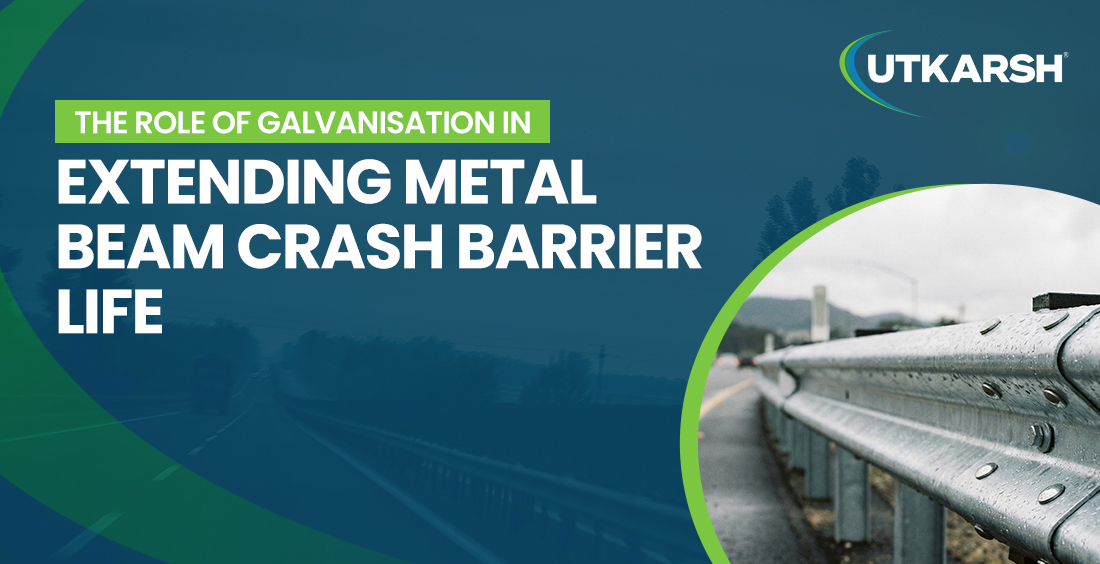
Road safety infrastructure plays a crucial role in reducing accident severity and safeguarding lives. Among the most effective safety systems are metal beam crash barrier installations, widely used across highways, expressways, bridges, and urban roads.
While these barriers act as protective shields during collisions, their long-term performance depends heavily on durability. Constant exposure to moisture, pollution, and fluctuating temperatures makes crash barrier galvanisation essential for maintaining structural integrity over time.
Galvanisation significantly enhances durability, making galvanised barriers a preferred choice in modern infrastructure projects, especially when working with the best infrastructure company in India, like Utkarsh India.
Understanding Metal Beam Crash Barriers
A metal beam crash barrier is engineered to absorb impact energy and safely redirect vehicles during accidents. These systems help prevent vehicles from entering dangerous zones, such as:
- Medians
- Steep embankments
- Water bodies
- Pedestrian pathways
Typically available in W-beam and Thrie-beam profiles, these barriers are designed to meet stringent safety standards and are widely installed across national highways, bridges, flyovers, and industrial zones.
However, their long-term efficiency depends on resistance to corrosion and sustained material strength.
What is Galvanisation?
Galvanisation is a protective process in which steel is coated with zinc, most commonly through hot-dip galvanisation. This coating forms a protective layer that prevents moisture and oxygen from reaching the steel surface.
In road safety applications, galvanisation is critical for protecting crash barriers against:
- Rust and corrosion
- Weather damage
- Chemical exposure from pollutants
Why Crash Barrier Galvanisation is Essential
1. Superior Corrosion Resistance
The zinc coating acts as a shield against rust, even in highly corrosive environments such as coastal regions and high-rainfall areas. It continues to protect the steel even if the surface is scratched.
2. Extended Service Life
Galvanised crash barriers can last for decades without structural degradation. This ensures consistent safety performance over time.
3. Reduced Maintenance Costs
Unlike painted or untreated barriers, galvanised systems require minimal upkeep, reducing long-term operational expenses.
4. Reliable Safety Performance
A corrosion-free barrier maintains its strength and energy absorption capacity, ensuring effective performance during collisions.
5. Sustainable and Eco-Friendly
Galvanised steel is recyclable and supports sustainable infrastructure development. Its long lifespan also reduces material waste.
Galvanisation and Long-Term Road Safety
Corrosion can gradually weaken crash barriers, reducing their ability to withstand impact forces. Galvanisation preserves structural integrity, ensuring that barriers continue to meet safety standards throughout their lifecycle.
This makes galvanised systems ideal for:
- High-traffic highways
- Accident-prone zones
- Bridges and flyovers
- Industrial and urban road networks
Factors Affecting Crash Barrier Price
When evaluating crash barrier price, several factors influence overall cost:
- Quality and thickness of steel
- Type and thickness of galvanisation coating
- Barrier design (W-beam or Thrie-beam)
- Project scale and installation complexity
- Compliance with safety standards
Although galvanised barriers may have a slightly higher initial cost, their durability and low maintenance requirements make them a cost-effective long-term investment.
Also Read: How Crash Barriers Reduce the Severity of Accidents: A Technical Breakdown
Why Utkarsh India is Among Trusted Crash Barrier Manufacturers
With decades of experience in infrastructure solutions, Utkarsh India is recognised among leading crash barrier manufacturers in the country.
Key strengths include
- Advanced hot-dip galvanisation technology
- Use of premium-grade steel for enhanced durability
- Compliance with national and international safety standards
- Customised solutions for highways, bridges, and industrial applications
The precision engineering and strict quality control processes ensure reliable, long-lasting performance, reinforcing our reputation as the best infrastructure company in India.
Conclusion
Crash barrier galvanisation is more than just a protective coating, it is a critical factor in ensuring the longevity, reliability, and safety of road infrastructure systems.
Investing in high-quality galvanised metal beam crash barrier solutions helps enhance road safety, minimise lifecycle costs, and ensure consistent performance in challenging environments. Choosing a trusted manufacturer further ensures quality, durability, and compliance with safety standards.
Frequently Asked Questions (FAQs)
1. Why is galvanisation important for crash barriers?
Galvanisation protects steel from corrosion, ensuring durability, extended lifespan, and reliable performance even in harsh environmental conditions.
2. How long do galvanised crash barriers last?
Galvanised crash barriers typically last 25-30 years or more, depending on environmental exposure and maintenance.
3. Are galvanised crash barriers cost-effective?
Yes, their longer lifespan and reduced maintenance needs make them highly economical over time despite a slightly higher initial cost.
4. What factors influence crash barrier price?
Price depends on material quality, coating thickness, barrier design, project scale, and compliance with safety standards.
5. Where are metal beam crash barriers used?
They are commonly installed on highways, expressways, bridges, flyovers, medians, and accident-prone areas.
6. How to choose reliable crash barrier manufacturers?
Select manufacturers with proven expertise, certifications, compliance with safety standards, and advanced galvanisation capabilities.
7. Does Utkarsh India offer customised crash barrier solutions?
Yes, Utkarsh India provides tailored solutions based on project requirements, site conditions, and safety standards.