

Cost Factors in Pre-Engineered Steel Buildings: What Impacts Pricing?
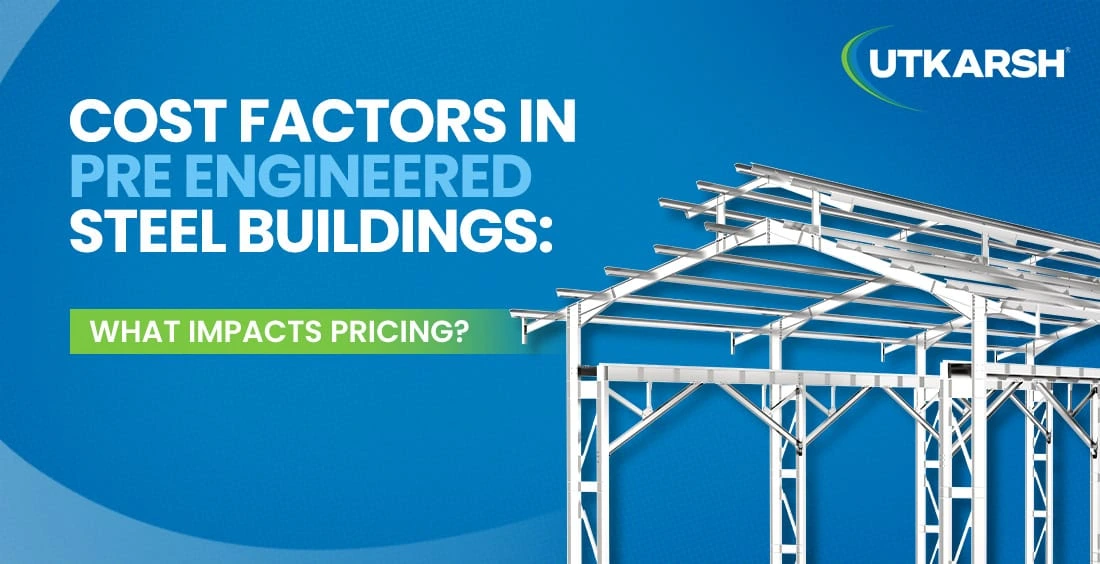
The global construction landscape is undergoing a massive shift towards efficiency, sustainability, and rapid execution. At the forefront of this structural revolution are pre-engineered steel buildings (PEBs). Unlike traditional construction models that rely on slow, on-site fabrication and prolonged timelines, modern PEBs are engineered and manufactured in a controlled factory environment before being shipped for rapid assembly.
When planning an industrial warehouse, commercial complex, or infrastructure setup, budgeting is always a priority. However, calculating a baseline pre engineered building cost isn't as simple as quoting a flat rate per square foot.
Instead of looking at raw, generic figures, smart developers analyse the core design and manufacturing variables. In this guide, we dive into the major cost factors that impact the engineering, manufacturing, and overall PEB building cost.
1. Structural Design Standards & Engineering Codes
A fundamental element influencing PEB structure cost is the engineering complexity required to meet local, national, and international safety guidelines. To guarantee structural integrity, leading manufacturers adhere to a strict matrix of technical compliance.
The integration of specific design standards determines the volume and grade of steel utilised:
- Primary Structural Framework: Designing heavy hot-rolled or built-up members requires adherence to robust codes like IS (Indian Standards), AISC (American Institute of Steel Construction), and MBMA (Metal Building Manufacturers Association).
- Secondary Structural Elements: Cold-formed members must comply with standards like IS 801 or AISI.
- Deflection Limits & Connections: Strict compliance with IS 800 and professional welding benchmarks like AWS D.1.1M dictates how parts interconnect, ensuring safe load transfers under stress.
2. Geographical and Climatic Load Customisation
A building standing in a calm interior valley requires a significantly different structural makeup than one situated in a high-seismic zone or a cyclone-prone coastal belt. Therefore, your project's geographical location dictates the engineering requirements.
- Wind Load Standards: For areas susceptible to extreme weather, buildings must be engineered to resist high wind speeds (complying with IS 875 and MBMA). This requires heavy-duty bracing and thicker structural columns to withstand crosswinds.
- Seismic Load Standards: In earthquake-prone regions, adherence to codes like IS 1893 ensures high structural ductility. Incorporating advanced seismic-resistant geometries changes the structural density of the steel frame.
- Live & Collateral Loads: The intended roof live load combined with collateral loads (the weight of suspended HVAC systems, heavy industrial lighting, or overhead piping) automatically shifts the structural weight requirements.
3. Dimensional Profiles and Clear Span Requirements
The physical geometry and spatial layout of your pre engineered steel buildings are major cost drivers.
- Clear Span vs. Multi-Span: If your operational workflow requires a massive open floor plan completely free of internal supporting columns, common in aircraft hangars, indoor sports complexes, or automated logistics warehouses, a clear-span frame is required. Clear spans require deeper primary rafters and heavier steel profiles. Alternatively, integrating interior columns (multi-span designs) optimises material distribution and offers structural economy.
- Height & Multi-Storey Frameworks: Vertical scaling changes structural demands. Moving from a low-rise industrial shed to a medium or high-rise commercial facility increases the structural loads on foundations, primary columns, and mezzanine systems.
4. Component Selection & Framing Customisation
A comprehensive pre-fabricated steel buildings ecosystem comprises an intricate network of primary, secondary, and cladding elements. Your selection of these specialised parts impacts production resource allocation:
- Primary Members: Main frames, rafters, I-beams, and heavy crane beams engineered to support overhead material handling.
- Secondary Members: Purlins, girts, eave struts, pipe bracings, sag rods, and flange bracings that add vital structural stability.
- Roofing & Cladding Systems: The grade and thickness of protection panels alter value. For instance, utilising high-tensile Galvalume sheets (available in thicknesses like 0.47 mm, 0.5 mm, or 0.6 mm) with yield strengths of 345 MPa or 550 MPa changes structural longevity and weatherproofing capabilities.
5. Architectural Additions and Facility Applications
Every industry utilises PEB spaces differently. Specialised functional additions alter the final structural breakdown:
- Industrial Warehouses & Sheds: May require integrated crane runways or heavy ventilation systems.
- Cold Storage Spaces: Demand specialised, thick insulation lining to maintain strict climate controls.
- Commercial Buildings: Often require multi-level mezzanine systems to accommodate administrative office floor space.
6. Manufacturing Automation and Fabrication Quality
The technological capability of the fabrication plant plays a vital role in structural optimisation. Advanced precision fabrication using automated machinery in a controlled factory environment minimises raw material wastage and eliminates human error. While high-tech automation requires strict quality control systems up-front, it drastically lowers the long-term total cost of ownership by preventing field re-work and ensuring flawless on-site assembly.
Also Read: Standards and Certifications That Ensure Quality in Pre Engineered Steel Buildings
The Structural Lifecycle Advantage of PEBs
While multiple design parameters influence manufacturing setup, choosing a pre-engineered metal building structure introduces systemic economic advantages over conventional civil brick-and-mortar construction:
- Faster Construction Timelines: Because elements are pre-fabricated and shot-blasted at the plant, on-site execution is exceptionally rapid, saving on labour overheads and minimising time-to-market.
- Zero Water Usage: Unlike traditional concrete construction, assembling a PEB structure requires absolutely no water, making it highly eco-friendly and resource-efficient.
- High Durability with Low Maintenance: High-grade steel resists rust, corrosion, and severe wear, cutting down long-term building maintenance budgets.
- 100% Recyclable and Relocatable: Steel is the ultimate sustainable material. PEB structures can be dismantled and relocated with minimal wastage, securing excellent residual asset value.
Partner with Utkarsh India, India's Leading PEB Manufacturer
When executing large-scale, high-performance infrastructure, the technical competence of your manufacturing partner makes all the difference. Utkarsh India is recognised as a premier destination for top-tier pre engineered steel buildings solutions.
With over 40 years of expertise in high-end steel fabrication, Utkarsh India boasts an elite manufacturing ecosystem featuring a 3,428,090 sq. ft. infrastructure setup, a monthly steel fabrication capacity of 25,000 MT, and an annual steel procurement exceeding 300,000 MT.
Our comprehensive, end-to-end in-house facilities streamline your entire project lifecycle:
- Advanced Structural Engineering & Design Teams
- Automated Precision Fabrication & Shot-blasting
- State-of-the-art 12.5m Hot Dip Galvanising facilities utilising 99.995% pure zinc from Hindustan Zinc Limited
- Stringent QA/QC monitoring at every stage from raw material sourcing to final dispatch
- Seamless Logistics and Project Supervision
Whether you are developing industrial sheds, high-capacity warehouses, multi-storey commercial complexes, or cold storage facilities, Utkarsh India delivers rigorously tested solutions that align perfectly with global safety and engineering benchmarks.
Ready to optimise your next project? Connect with the engineering experts at Utkarsh India today to discuss your structural requirements.
Frequently Asked Questions
1. What are the primary factors that impact a PEB structure's cost?
The cost is primarily driven by engineering design codes, geographic wind/seismic load requirements, building dimensions (clear span vs. multi-span), and component customisations like material thickness.
2. How does geographical location affect pre-engineered steel building pricing?
Location dictates environmental load standards; buildings in high-seismic zones or cyclonic coastal belts require heavier structural steel, advanced bracing, and specialised connections to ensure safety.
3. Why does a clear-span layout affect the overall material economy?
A clear-span layout eliminates internal columns to create open space, which requires deeper primary rafters and heavier steel profiles to safely support the roof across wide distances.
4. Can pre-fabricated steel buildings be easily expanded or modified later?
Yes, because PEBs are built using standardised components and bolted connections, they can be seamlessly expanded, modified, or even relocated with minimal structural wastage.