

How to Choose the Right Sprinkler Pipe for Industrial Buildings
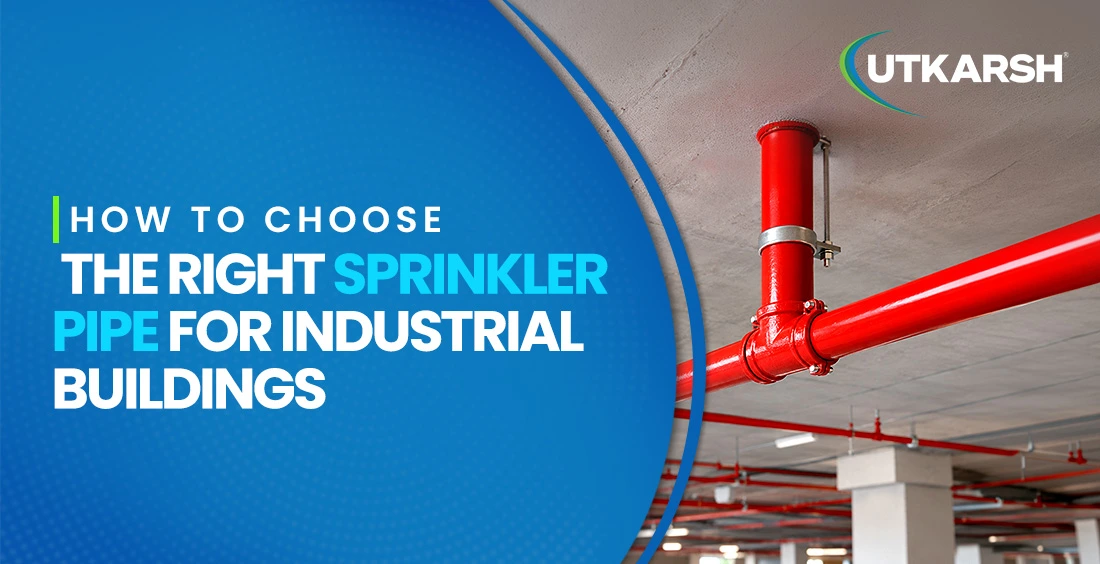
Factories, warehouses and processing plants carry a very different fire risk from an office floor. There is more stored material, higher ceilings, heavier machinery and, in many cases, flammable liquids or dust. That is why the choice of fire sprinkler pipe in an industrial building cannot be left to habit or the lowest quote.
The pipe network is what carries water from the pump room to every sprinkler head. If it corrodes, leaks or fails under pressure, even the best-designed fire sprinkler system will not perform when it is needed. This guide walks you through the key factors to check before you finalise the sprinkler pipe for your industrial project.
Why Sprinkler Pipe Selection Matters More in Industrial Buildings
Industrial sites push a piping network harder than most buildings. The pipe has to:
- Hold steady pressure for years, often decades, without being used
- Deliver a high volume of water instantly during a fire
- Withstand heat, humidity, vibration and sometimes chemical exposure
- Stay dimensionally accurate so joints, fittings and valves seal properly
A weak or poorly matched sprinkler system pipe creates hidden risk. Corrosion inside the pipe can narrow the bore and choke water flow. Thin walls can fail at threaded joints. These problems usually stay invisible until a pressure test or, worse, an actual fire.
Step 1: Understand the Hazard Level of Your Facility
Start with what the building stores and processes. Fire protection design groups occupancies by hazard level, and this decides water demand, pipe sizing and system layout.
- Light to moderate hazard: Assembly units, engineering workshops, packaging units with limited combustible storage
- High hazard: Warehouses with high-piled stock, chemical plants, paint shops, plastics and textile units, facilities handling flammable liquids
The higher the hazard, the greater the water demand. That means larger pipe diameters on mains and risers, stronger walls to handle higher operating pressure, and tighter quality control on every length of pipe.
Step 2: Match the Pipe to the Sprinkler System Type
Different sprinkler systems place different demands on the pipe. Here is how the common types used in industrial buildings compare:
| System Type | How It Works | Best Suited For | What It Means for the Pipe |
|---|---|---|---|
| Wet pipe | Pipes stay filled with water; heads discharge instantly | Heated factories and warehouses | Constant water contact, so internal corrosion resistance is key |
| Dry pipe | Pipes hold pressurised air or nitrogen until a head opens | Cold storage, unheated sheds | Pipe sees moisture and air cycles; galvanised protection helps |
| Deluge | Open heads; water flows once a deluge valve is triggered | Transformer yards, fuel and chemical areas | High flow volume needs generous sizing and strong walls |
| Pre-action | Needs detection plus head activation before discharge | Data rooms, control rooms, sensitive storage | Lower risk of accidental discharge; pipe stays dry until triggered |
| Foam water | Foam concentrate mixed with water | Flammable liquid and chemical hazards | Pipe must handle foam-water mixtures reliably |
If you want a deeper look at each system and the materials used with them, read our guide on Fire Sprinkler Pipe: Types, Materials, and Selection Guide.
Step 3: Choose the Right Pipe Material
For most industrial fire protection networks, steel remains the dependable choice because it handles pressure, heat and mechanical stress well. The two common options are:
GI (Galvanised Iron) Pipes: GI pipes are steel pipes coated with zinc through galvanisation. The zinc layer protects the pipe from rust and environmental damage, which is a major advantage in wet and dry systems where moisture is always present. GI is widely preferred for sprinkler networks in industrial, commercial and residential buildings because of its strength, long service life and easy compatibility with standard fittings.
MS (Mild Steel) Pipes: MS pipes are often used on larger mains and ring headers, usually with a protective coating or painting system. They offer good strength at a practical cost, but they depend on proper surface protection to resist corrosion over time.
Plastic options such as CPVC are sometimes used in light hazard residential settings, but they are generally not the first choice for high-temperature or high-hazard industrial areas. Always confirm material suitability with your fire consultant and local authority.
Step 4: Check Wall Thickness and Pipe Class
Wall thickness determines how much pressure the pipe can handle and how well it survives threading, which removes some material at every joint. In India, steel pipes for fire protection are commonly specified under IS 1239 in medium or heavy class, and many consultants and insurers prefer heavy class for sprinkler mains in industrial buildings.
When reviewing quotes, compare:
- Pipe class and wall thickness, not just diameter
- Pressure rating against your system's working and test pressure
- Uniformity of the zinc coating on GI pipes
- Straightness, roundness and accurate thread ends
Step 5: Get the Sizing Right
Pipe diameter depends on water demand, the number of heads each line feeds and the building layout. Branch lines feeding individual heads are smaller, while cross mains, risers and ring mains are larger. Undersized pipe reduces pressure at the farthest heads. Oversized pipe adds cost and weight without real benefit.
Sizing should always come from hydraulic calculations prepared by a qualified fire protection engineer, based on the applicable design standard for your building.
Step 6: Insist on Certified Quality and Standards Compliance
A fire protection pipe is a life safety product, so documentation matters as much as price. Look for:
- Compliance with relevant Indian Standards and the project's fire design code, such as the National Building Code and IS 15105 for sprinkler systems
- Mill test certificates for every batch
- ISO-certified manufacturing processes
- Clear marking of size, class and batch on each pipe
- Options to customise diameter, length and threading for project needs
Before handover, the complete network should pass a hydrostatic pressure test to confirm it is leak-free and ready for service.
Step 7: Plan for Maintenance and Service Life
The right pipe lowers lifetime cost. Corrosion-resistant pipes need fewer repairs and keep water flow steady for years. Plan for routine checks for leaks, corrosion and damage, along with annual inspection by a certified professional. Safe storage and handling on site also matter, as dents and coating damage before installation can shorten pipe life.
Building Safer Industrial Facilities with Utkarsh India
Choosing the right sprinkler pipe comes down to a few clear questions. What is the hazard level? Which system are you installing? Which material, class and size match that demand? And can the supplier prove consistent quality?
With 40 years of manufacturing experience and a team of over 100 engineers, Utkarsh India manufactures certified GI sprinkler pipe solutions for fire sprinkler systems across factories, warehouses, hospitals, data centres and large infrastructure projects. Our pipes are built for corrosion resistance, dimensional accuracy and dependable performance under pressure, so your fire protection network is ready when it matters most.
Frequently Asked Questions
Which pipe is best for fire sprinkler systems in industrial buildings?
GI pipes are widely preferred for industrial fire sprinkler systems. Their zinc coating protects against rust, while the steel body handles high pressure and heat. MS pipes with proper coating are also used on larger mains.
Is GI pipe better than MS pipe for sprinkler systems?
GI pipe offers better built-in corrosion resistance because of its zinc coating, which suits wet and dry systems where moisture is constant. MS pipe is strong and cost-effective but relies on external coating or painting for protection.
What pipe class is used for fire sprinkler pipes in India?
Steel pipes for fire sprinkler networks are commonly specified under IS 1239 in medium or heavy class. Heavy class is often preferred for industrial mains. The final choice should follow your fire consultant's design and local authority approval.
How is the size of a sprinkler pipe decided?
Sprinkler pipe size is based on hydraulic calculations that consider hazard level, water demand, the number of sprinkler heads on each line and the building layout. Branch lines are smaller, while risers and mains are larger.
How often should an industrial fire sprinkler system be inspected?
Routine checks for leaks, corrosion and damage should be done regularly, along with periodic testing of sprinkler heads, valves and pressure gauges. An annual inspection by a certified professional is recommended to confirm code compliance.
Can sprinkler pipes be customised for a project?
Yes. GI sprinkler pipes can be customised in diameter, length and threading, and manufactured to suit specific pressure ratings and environmental conditions for different fire protection projects.