

The Role Of Steel Pipes And Tubes In The Construction Industry
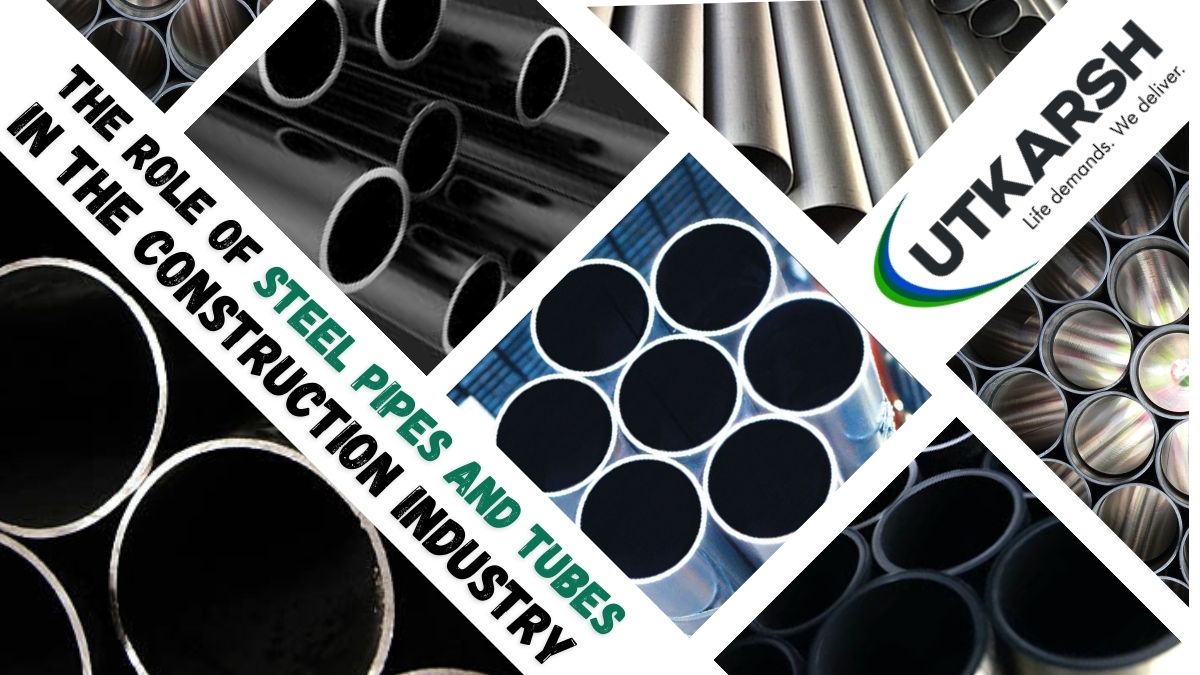
Steel pipes and tubes play an important role in modern construction because of their strength, durability, versatility, and suitability for different structural and infrastructure applications. From structural frameworks and scaffolding to railings, utility lines, and support structures, steel products are used across residential, commercial, industrial, and infrastructure projects.
The right selection of steel pipes and tubes can help construction projects meet structural, functional, and durability requirements. Working with an experienced steel pipes manufacturer or steel tube manufacturer is also important for ensuring that the products meet the required dimensions, specifications, and quality standards.
Let us look at the major uses and advantages of steel pipes and tubes in the construction industry.
Uses of Steel Pipes and Tubes in Construction
Steel pipes and tubes can be used for a wide range of construction and infrastructure requirements, including:
1. Structural Support
Steel tubes and pipes can be used as structural members in frameworks, columns, supports, trusses, and other load-bearing applications. Their strength-to-weight characteristics make them suitable for structures that require reliable support without unnecessarily increasing structural weight.
2. Utility and Pipeline Applications
Steel pipes are used for transporting water, air, gas, and other materials in applications where suitable pressure capacity and mechanical strength are required. The appropriate pipe material, thickness, coating, and specification depend on the service conditions.
A galvanized steel pipe, for example, has a zinc coating that provides additional protection against corrosion and can be suitable for applications where corrosion resistance is an important consideration.
3. Scaffolding and Temporary Structures
Steel tubes are commonly used in scaffolding and temporary construction structures because they can provide the required strength and stability when properly designed and assembled.
They can also be used in applications such as temporary sheds, platforms, stands, and site-support structures.
4. Railings and Safety Structures
Steel tubes and pipes are suitable for manufacturing railings for balconies, staircases, walkways, platforms, and other areas where a strong and durable framework is required.
Their ability to be fabricated into different shapes and configurations allows them to accommodate different architectural and functional requirements.
5. Masts and Infrastructure Structures
Steel tubes are also used in the fabrication of various infrastructure structures, including lighting poles, masts, transmission-related structures, and other support systems.
Their structural properties make them suitable for applications where the structure needs to withstand environmental and operational loads.
6. Roofing and Large-Space Structures
Steel tubes can be used in roof trusses and supporting frameworks for halls, warehouses, industrial buildings, stadiums, and other large-span structures.
Their versatility allows engineers and fabricators to develop structural systems suited to different building layouts and load requirements.
7. Construction Equipment and Site Structures
Steel tubes can also be fabricated into construction-related equipment and site structures such as work tables, storage racks, ladders, supports, and other fabricated components.
The exact application depends on the required dimensions, load capacity, fabrication method, and applicable specifications.
Key Features of Steel Pipes and Tubes
Steel pipes and tubes offer several properties that make them useful for construction and infrastructure applications.
High Strength and Durability
Steel provides high mechanical strength and can withstand significant structural and operational loads when the product is correctly specified and designed for its intended application.
Steel pipes and tubes can also withstand impact and vibration better than some conventional materials, depending on the grade, thickness, design, and application.
Their durability makes them suitable for both structural and utility applications where long-term performance is required.
Versatile and Easy to Fabricate
Steel tubes and pipes are available in different sizes, thicknesses, and configurations. They can also be cut, welded, bent, and fabricated according to project requirements.
This versatility allows construction professionals to use steel products across different types of structures and applications.
For architects and engineers, this flexibility can support a wide range of structural designs while allowing the material to be adapted to specific project requirements.
Corrosion Protection Options
Corrosion protection is an important consideration for steel used in construction, particularly in outdoor, underground, humid, or chemically exposed environments.
Depending on the application, steel pipes and tubes can be protected using suitable coatings or other corrosion-control methods.
A galvanized steel pipe is coated with zinc, which provides a protective layer over the steel surface. The appropriate coating and protection system should be selected based on the environment and expected service conditions.
Recyclability
Steel is a recyclable material and can be recovered and processed for use in new steel products. This makes steel relevant to construction projects that consider material recovery and resource efficiency as part of their sustainability goals.
Recyclability, however, is only one aspect of sustainable construction. Material efficiency, product lifespan, manufacturing processes, transportation, maintenance, and end-of-life recovery also influence the overall environmental impact of a construction material.
Cost and Lifecycle Value
Steel pipes and tubes can provide long-term value when their strength, durability, fabrication requirements, maintenance needs, and service life are considered together.
Although the initial price of steel products can vary according to grade, dimensions, coating, market conditions, and project specifications, durable materials may help reduce replacement and maintenance requirements over the life of a structure.
How to Choose the Right Steel Pipes and Tubes?
Selecting the right steel product is important for achieving the required structural and functional performance. Some factors to consider include:
- Application: Determine whether the product will be used for structural support, water or utility lines, scaffolding, railings, or another purpose.
- Dimensions: Select the appropriate outside diameter, thickness, length, and section according to project requirements.
- Material grade: The required steel grade should be selected according to the intended application and relevant standards.
- Corrosion protection: Outdoor or corrosive environments may require galvanisation or another suitable protective system.
- Load requirements: Structural applications should account for expected loads and relevant design conditions.
- Applicable standards: Products should meet the standards and specifications relevant to the project.
- Manufacturer capabilities: Consider the manufacturer's production capacity, testing facilities, quality systems, and ability to provide project-specific requirements.
Why Manufacturer Selection Matters
Choosing a reliable steel pipes manufacturer is an important part of construction procurement.
A capable manufacturer should have suitable production facilities, quality-control systems, testing infrastructure, and technical expertise to maintain consistency across different batches of products.
Depending on the project, buyers may also need customised dimensions, specific grades, coatings, or fabrication options. A manufacturer with appropriate technical and production capabilities can help address these requirements more effectively.
Also Read: Quality Inspection Process for Steel Pipes Before Industrial Use
Utkarsh India: Steel Pipes and Tubes for Infrastructure Applications
Utkarsh India manufactures a range of steel pipes and tubes for construction, infrastructure, industrial, and utility applications.
With more than four decades of experience in the steel and infrastructure sector, the company offers ERW, MS, and galvanised steel pipes and tubes in different specifications.
Its steel products are used for applications such as:
- Air and water lines
- Structural applications
- Fencing
- Fire sprinkler systems
- Boilers
- Construction and infrastructure
- Industrial applications
The company also offers customised solutions such as bend pipes, conduit pipes, and galvanised pipes according to project requirements.
Utkarsh India's manufacturing capabilities and quality-control processes support applications where consistent product quality and suitable specifications are important. Its range of steel products makes it a suitable option for organisations evaluating manufacturers for construction and infrastructure requirements.
For organisations comparing a steel pipes manufacturer, a steel tube manufacturer, or looking for the best infrastructure company in India, factors such as product range, manufacturing capacity, testing facilities, quality systems, applicable standards, and customisation capabilities
Conclusion
Steel pipes and tubes are widely used in construction because of their strength, durability, versatility, and recyclability. From structural frameworks and scaffolding to railings, utility lines, roofing structures, and infrastructure applications, they can support a wide range of project requirements.
Choosing the right product and a reliable manufacturer is important for achieving the required performance and service life. With its range of steel, MS, and galvanised pipes and tubes, Utkarsh India supports diverse construction and infrastructure applications with suitable manufacturing and quality-control capabilities.
FAQs
1. What are steel pipes and tubes used for in construction?
Steel pipes and tubes are used for structural frameworks, scaffolding, railings, roofing structures, utility lines, masts, temporary structures, and other construction applications.
2. What are the main benefits of using steel pipes and tubes?
Steel pipes and tubes offer high strength, durability, versatility, recyclability, and suitability for different structural and utility applications.
3. What is a galvanized steel pipe?
A galvanized steel pipe is a steel pipe coated with zinc to provide additional protection against corrosion. It can be suitable for applications where exposure to moisture or outdoor conditions is a consideration.
4. How do I choose the right steel pipes and tubes for construction?
Consider factors such as the intended application, dimensions, steel grade, load requirements, environmental conditions, corrosion protection, applicable standards, and installation requirements.
5. Why should I choose an experienced steel pipes manufacturer?
An experienced steel pipes manufacturer can provide consistent product quality, suitable specifications, testing facilities, technical support, and manufacturing capabilities for different project requirements.
6. Are steel pipes and tubes recyclable?
Yes. Steel pipes and tubes can be recovered and recycled into new steel products, making recyclability one of the material's useful properties for construction and infrastructure projects.