

Factors To Consider When Looking For HDPE Pipes
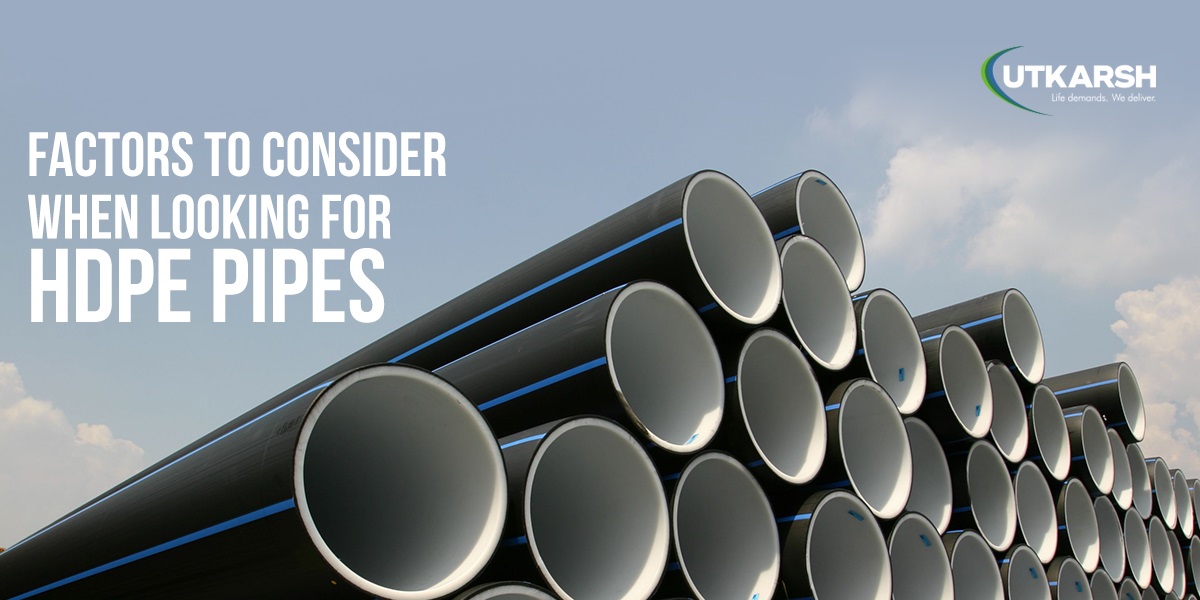
High-Density Polyethylene (HDPE) pipes are widely used across water supply, drainage, irrigation and several industrial requirements. Known for their strength, durability, chemical resistance and corrosion resistance, HDPE pipes can provide reliable performance with minimal leakage when properly selected and installed.
Choosing the right HDPE pipe manufacturer or supplier is important to ensure that the pipes meet the required technical specifications and project conditions. Factors such as pipe dimensions, quality standards, manufacturing capabilities, product range and supplier reputation should be considered before making a purchase.
Here are some important factors to consider when choosing HDPE pipes and their manufacturer or supplier.
Understand Your Requirements
HDPE pipes are available in different sizes, pressure ratings, dimensions and configurations. Before selecting a manufacturer or supplier, it is important to clearly understand the requirements of the project.
Consider factors such as:
- Required pipe diameter and wall thickness
- Pressure requirements
- Length and quantity of pipes required
- Installation conditions
- Temperature and environmental conditions
- Applicable quality and technical standards
For instance, an HDPE water pipe may have different specifications depending on the pressure and flow requirements of the water supply system. Understanding these requirements beforehand can help in selecting the appropriate product.
Understand HDPE Pipes and Fittings
Having a basic understanding of HDPE pipes & fittings can make it easier to evaluate different products and manufacturers. HDPE pipes are valued for their flexibility, strength, corrosion resistance and long service life.
It is also important to understand the available pipe grades, dimensions, pressure ratings, joining methods and relevant standards. A manufacturer with technical expertise should be able to provide the required product specifications and guidance based on project requirements.
Check the Manufacturer's Market Reputation
A manufacturer's reputation can provide valuable insight into its product quality, manufacturing capabilities and customer service. Before choosing an HDPE pipe manufacturer, consider its industry experience, certifications, previous projects and customer feedback.
Checking the manufacturer's website, product specifications, certifications and available reviews can help in assessing its reliability. An established manufacturer with a proven track record is generally better positioned to maintain consistent product quality and meet large-scale requirements.
Evaluate the Manufacturing Process
The manufacturing process plays an important role in determining the quality and performance of HDPE pipes. Manufacturers should follow appropriate production and quality control processes to maintain consistency in dimensions, strength and material properties.
Factors such as modern manufacturing technology, quality testing, production capacity and process control should be considered when comparing suppliers. Consistent quality throughout the manufacturing process can help ensure that the finished pipes meet the required technical specifications.
Check Quality Standards and Certifications
Quality standards and certifications are important indicators when selecting HDPE pipes. Buyers should check whether the manufacturer follows the relevant Indian and international standards applicable to the required product.
Certifications from recognised authorities can provide additional assurance regarding product quality, testing and compliance. It is also advisable to request relevant technical documents and test certificates before finalising a purchase.
Consider Product Durability and Service Life
The expected service life of HDPE pipes is another important consideration. Pipes may be exposed to pressure, environmental conditions, chemicals and other factors depending on their intended use.
A quality HDPE drainage pipe or water pipe should be manufactured using appropriate raw materials and processes to provide reliable long-term performance. The manufacturer's product specifications and technical documentation can help buyers understand the expected performance and service life.
Evaluate Production Capacity and Delivery Capabilities
For large projects, manufacturing capacity and delivery capabilities can be just as important as product quality. A supplier should have sufficient production capacity to meet the required quantity within the project timeline.
It is also worth considering inventory management, logistics capabilities and the manufacturer's ability to handle repeat or urgent requirements. These factors can help minimise delays and ensure a smoother procurement process.
Consider Cost and Overall Value
Price is an important factor, but selecting an HDPE pipe solely on the basis of the lowest initial cost may not always be beneficial. Product quality, durability, maintenance requirements, service life and compliance with technical standards should also be considered.
A cost-effective solution should provide the required performance and durability while meeting the project's specifications.
Get Insights On: 6 Key Insights into HDPE Pipes: Benefits and Applications
Why Choose an Experienced HDPE Pipe Manufacturer?
Selecting an experienced manufacturer can provide greater confidence in product quality, technical support, and supply capabilities. An established manufacturer is more likely to have the infrastructure and expertise required to maintain consistent production standards.
Utkarsh India is the best infrastructure company in India, with experience in engineering products and piping solutions for infrastructure, agriculture and domestic water requirements. Its HDPE pipes are designed for above-ground, surface, buried and floating installations and are manufactured to provide long-term performance.
The company's HDPE pipes are certified by the Bureau of Indian Standards and are designed for a service life of up to 50–100 years, subject to appropriate product selection, installation and operating conditions.
Conclusion
Choosing the right HDPE pipes requires more than comparing prices between suppliers. Understanding project requirements, checking product specifications, evaluating manufacturing processes, verifying quality certifications and assessing the manufacturer's reputation can help in making an informed decision.
Factors such as durability, production capacity, delivery capabilities and overall product value should also be considered before finalising a supplier. Working with an experienced manufacturer can provide additional assurance regarding product consistency and technical compliance.
For projects requiring reliable piping solutions, Utkarsh India offers HDPE pipes manufactured with a focus on quality, durability and performance. With established manufacturing capabilities and experience across infrastructure and piping requirements, the company provides solutions designed to meet diverse project needs.
Frequently Asked Questions
What are HDPE pipes?
HDPE pipes are pipes manufactured from High-Density Polyethylene, a durable thermoplastic material known for its strength, flexibility, chemical resistance and corrosion resistance. They are used for various water, drainage, irrigation and industrial requirements.
What should I consider when choosing HDPE pipes?
Important factors include pipe diameter, wall thickness, pressure rating, material quality, applicable standards, expected service life, installation conditions and the manufacturer's production and quality control capabilities.
What is an HDPE water pipe?
An HDPE water pipe is a polyethylene pipe designed for water supply and related water distribution requirements. The appropriate pipe specification depends on factors such as pressure, diameter, flow requirements and installation conditions.
What is an HDPE drainage pipe?
An HDPE drainage pipe is designed for drainage and wastewater management requirements. Its corrosion resistance, flexibility and durability make HDPE suitable for various drainage infrastructure requirements.
Why are HDPE pipes and fittings preferred for piping systems?
HDPE pipes & fittings are valued for their durability, flexibility, corrosion resistance, chemical resistance and reliable jointing capabilities. These properties can help support long-term performance when the products are correctly specified and installed.
How long can HDPE pipes last?
HDPE pipes can have a long service life when correctly selected, installed and operated under suitable conditions. Utkarsh India states that its HDPE pipes can provide a service life of 50–100 years, depending on applicable conditions.
Are HDPE pipes certified by BIS?
HDPE pipes manufactured for applications covered by relevant Indian Standards can be certified by the Bureau of Indian Standards. Buyers should verify the applicable certification and product standard for the specific pipe being purchased.
How do I choose an HDPE pipe manufacturer?
Consider the manufacturer's industry experience, manufacturing technology, production capacity, quality certifications, testing processes, product range, technical support and ability to meet project-specific requirements.
Why is the manufacturing process important for HDPE pipes?
The manufacturing process affects important product characteristics such as dimensions, wall thickness, strength and consistency. Proper process control and testing help ensure that pipes meet the required technical specifications.
Is price the most important factor when buying HDPE pipes?
Price should be considered alongside product quality, durability, certifications, service life, technical specifications and supplier reliability. Comparing the overall value of the product can help avoid higher maintenance or replacement costs in the long term.