

Benefits of PEB Buildings
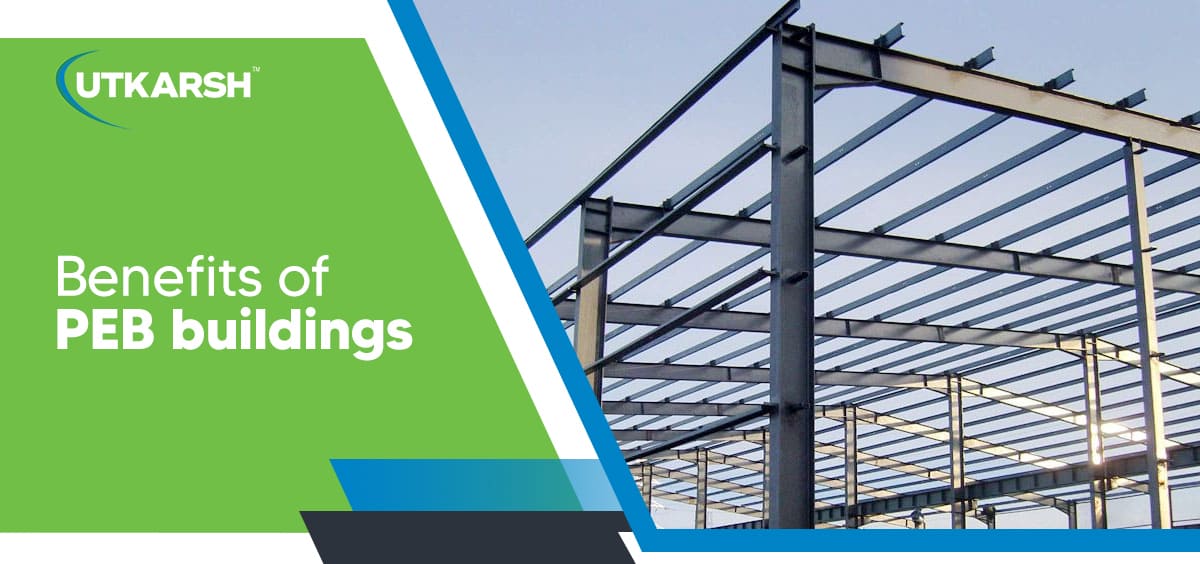
The construction industry is rapidly embracing smarter and faster building solutions that offer durability, flexibility, and long-term cost savings. One such innovation is the pre engineered metal building (PEB), which has transformed how industrial, commercial, and infrastructure projects are designed and executed.
Unlike conventional construction methods, PEB structures are engineered, fabricated, and quality-tested in a controlled manufacturing facility before being transported for on-site assembly. This streamlined process significantly reduces construction time while maintaining high structural performance and quality.
Today, warehouses, factories, airports, logistics parks, cold storage facilities, and commercial buildings increasingly rely on PEB solutions because of their efficiency, sustainability, and adaptability.
What is a Pre-Engineered Metal Building?
A pre engineered metal building is a steel structure that is designed and manufactured using advanced engineering software based on project-specific requirements. The building components, including primary steel members, secondary framing, roofing, and cladding, are fabricated in a factory and assembled at the project site.
This approach minimises material wastage, improves construction accuracy, and shortens project timelines compared to traditional RCC construction.
PEB structures are widely used for:
- Warehouses
- Manufacturing plants
- Industrial sheds
- Commercial buildings
- Logistics hubs
- Airports
- Railway sheds
- Sports complexes
- Cold storage facilities
- Multi-storey steel buildings
Main Components of a PEB Structure
A high-quality PEB consists of several engineered components that work together to provide strength, stability, and durability.
Primary Structural Members
Primary members form the main load-bearing framework of the building.
These include:
- Columns
- Rafters
- Main beams
They are designed to withstand dead loads, live loads, wind loads, and seismic forces.
Secondary Structural Members
Secondary framing supports the roof and wall systems while distributing loads efficiently.
These components include:
- Purlins
- Girts
- Bracing systems
- Eave struts
Proper secondary framing improves the structural integrity of the building.
Roofing and Cladding Systems
Roofing and wall cladding protect the structure against weather while improving insulation and aesthetics.
Modern roofing systems offer:
- Better thermal performance
- Weather resistance
- Corrosion protection
- Longer service life
- Lower maintenance
Applications of PEB Buildings
One of the biggest advantages of PEB construction is its versatility.
Today, PEB buildings are widely used across industries for:
Warehouses
Large clear-span spaces improve storage capacity and warehouse operations.
Manufacturing Plants
PEB structures provide durable industrial buildings capable of supporting heavy machinery and production equipment.
Factory Buildings
Flexible layouts make them suitable for different manufacturing industries.
Airports and Aviation Hangars
Large column-free spaces allow efficient aircraft storage and terminal construction.
Railway Infrastructure
PEB railway sheds provide durable maintenance and storage facilities.
Cold Storage Facilities
Steel structures combined with insulated panels create energy-efficient cold storage units.
Commercial Buildings
Office buildings, shopping centres, exhibition halls, and retail spaces benefit from rapid construction and flexible designs.
Sports Infrastructure
PEB solutions are widely used for stadiums, indoor arenas, gymnasiums, and auditoriums.
Residential and Institutional Buildings
Modern steel structures are increasingly used for schools, hospitals, staff accommodation, and housing projects.
Top Benefits of PEB Buildings
1. Faster Construction Time
One of the biggest reasons industries prefer PEB construction is the significant reduction in project timelines.
Since most components are manufactured before reaching the site, only assembly is required during construction. This reduces delays caused by weather conditions and on-site fabrication.
Compared to conventional construction, PEB projects can often be completed much faster, enabling earlier occupancy and quicker return on investment.
2. Cost-Effective Construction
A pre engineered metal building reduces overall construction costs through:
- Optimised steel consumption
- Minimal material wastage
- Reduced labour requirements
- Faster project completion
- Lower maintenance expenses
The factory-controlled manufacturing process also improves material utilisation, reducing unnecessary costs.
3. High Structural Strength
PEB structures are engineered to withstand challenging environmental conditions, including:
- High wind loads
- Heavy rainfall
- Snow loads
- Seismic activity
Their high strength-to-weight ratio ensures excellent structural performance without excessive dead loads.
4. Design Flexibility
PEB buildings can be customised to suit project-specific requirements.
They support:
- Large clear spans
- Future expansion
- Mezzanine floors
- Multiple roof profiles
- Skylights
- Ventilation systems
- Cranes and heavy equipment
This flexibility makes them suitable for diverse industrial and commercial applications.
5. Low Maintenance Requirements
Steel used in modern PEB structures is protected through galvanisation and specialised coatings.
This provides:
- Corrosion resistance
- Longer service life
- Reduced maintenance costs
- Better durability under harsh weather conditions
Routine inspections are generally sufficient to maintain structural performance.
6. Sustainable Construction Solution
PEB buildings contribute to environmentally responsible construction.
Some sustainability benefits include:
- Recyclable steel components
- Reduced construction waste
- Lower water consumption during construction
- Energy-efficient roofing systems
- Minimal environmental impact
These advantages support green building initiatives and sustainable infrastructure development.
7. Easy Expansion and Relocation
Unlike conventional buildings, PEB structures can be modified or expanded with relatively less effort.
Additional bays, floors, or extensions can be incorporated without major structural changes.
Some structures can also be dismantled and relocated, making them ideal for temporary or expanding industrial facilities.
8. Superior Quality Control
Since manufacturing takes place in a controlled factory environment, every component undergoes rigorous quality inspections before dispatch.
Leading pre engineered building manufacturers utilise:
- CNC machinery
- Automated welding systems
- Precision cutting technology
- Multiple quality checks
- Advanced testing laboratories
This ensures consistent quality and reliable structural performance.
Get Insights On: Standards and Certifications That Ensure Quality in Pre Engineered Steel Buildings
Why Choose Experienced Pre Engineered Building Manufacturers?
Selecting the right manufacturing partner is critical for the success of any steel construction project.
Reliable pre engineered building manufacturers provide:
- Custom engineering solutions
- Precision fabrication
- High-quality raw materials
- Compliance with IS and international standards
- Installation support
- Technical consultancy
- Timely project delivery
Working with an experienced PEB building company ensures efficient project execution and long-term structural reliability.
Choosing the Right PEB Building Company
Before selecting a PEB supplier, consider factors such as:
- Industry experience
- Manufacturing capacity
- Design capabilities
- Quality certifications
- In-house testing facilities
- Installation expertise
- After-sales technical support
- Successful project portfolio
A trusted best infrastructure company in India like Utkarsh India combines engineering expertise, advanced manufacturing technology, and strict quality standards to deliver reliable PEB solutions for infrastructure, industrial, and commercial developments.
Conclusion
Pre-engineered metal buildings have become one of the most efficient construction solutions available today. Their faster construction, lower lifecycle costs, structural strength, flexibility, and sustainability make them ideal for a wide range of applications.
Whether building a warehouse, factory, airport facility, commercial complex, or logistics centre, partnering with experienced pre engineered building manufacturers ensures high-quality structures designed for long-term performance and operational efficiency.
Frequently Asked Questions (FAQs)
1. What is a pre engineered metal building?
A pre engineered metal building is a steel structure whose components are designed, manufactured, and quality-tested in a factory before being transported and assembled at the construction site. This approach significantly reduces construction time while maintaining structural strength and quality.
2. What are the advantages of PEB buildings over conventional construction?
PEB buildings offer faster construction, lower project costs, reduced maintenance, high durability, design flexibility, sustainability, and easy future expansion compared to conventional RCC structures.
3. Which industries commonly use PEB buildings?
PEB structures are widely used in warehouses, manufacturing plants, logistics parks, airports, railway infrastructure, commercial buildings, cold storage facilities, sports complexes, and industrial factories.