

Water and Industrial Use: Check these Faqs Answered by One of the Leading HDPE Pipe Manufacturers
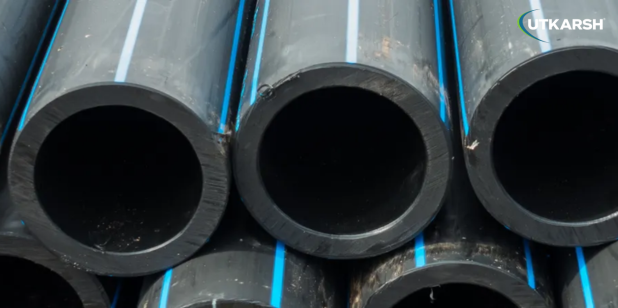
Water is an essential resource across industries, playing a vital role in manufacturing, processing, cooling, cleaning, and transportation. As industries continue to expand, the need for reliable piping systems has become more important than ever. HDPE pipes & fittings have emerged as one of the most preferred solutions due to their durability, corrosion resistance, flexibility, and long service life.
As one of the leading HDPE fittings manufacturers, we answer some of the most frequently asked questions about the industrial and water-related applications of HDPE piping systems.
FAQ 1: What are the major industrial uses of water?
Water is indispensable in almost every industrial sector. Some of its major applications include:
- Cooling systems: Water is widely used to cool machinery, equipment, and industrial processes by transferring excess heat.
- Manufacturing processes: Industries such as food processing, textiles, pharmaceuticals, paper, and chemicals use water as a key raw material.
- Power generation: Water is essential in hydroelectric plants as well as thermal power plants for steam generation and cooling.
- Cleaning and sanitation: Industrial facilities use water extensively for washing equipment, maintaining hygiene, and cleaning production lines.
- Material transportation: Water is used to transport slurries, chemicals, and other industrial materials through pipeline systems.
FAQ 2: What type of water is commonly used in industries?
Most industries primarily use freshwater because it is suitable for a wide range of manufacturing and processing applications. Seawater is generally avoided in many industrial systems as its high salt content can accelerate corrosion of metallic equipment and pipelines unless specialised corrosion-resistant systems are used.
FAQ 3: Why are HDPE pipes preferred for industrial applications?
Industries require piping systems that offer reliability, durability, and minimal maintenance. HDPE pipes & fittings provide several advantages that make them ideal for industrial use.
Excellent corrosion and chemical resistance
HDPE pipes are highly resistant to acids, alkalis, salts, and many industrial chemicals. Unlike metal pipes, they do not rust or corrode, making them suitable for transporting water, chemicals, wastewater, slurries, and other industrial fluids.
Lightweight and easy installation
HDPE pipes are much lighter than conventional metal pipes, making transportation, handling, and installation easier. Their flexibility also allows installation over uneven terrain with fewer joints.
Leak-proof jointing system
HDPE pipes are joined using heat fusion technology, creating strong, leak-proof joints that significantly reduce water loss and maintenance requirements.
Long service life
With excellent resistance to abrasion, impact, and environmental stress cracking, HDPE piping systems offer reliable performance for decades under demanding operating conditions.
FAQ 4: Are HDPE pipes safe for potable water supply?
Yes. HDPE pipes are widely used for potable water distribution because they are non-toxic, corrosion-resistant, and do not affect water quality. High-quality HDPE pipes manufactured according to IS 4427 standards are safe for drinking water applications and help maintain hygienic water supply systems.
FAQ 5: Can HDPE pipes be used in agriculture?
Absolutely. HDPE pipes are extensively used in modern agriculture due to their strength, flexibility, and long-term performance.
Some key benefits include:
- High pressure resistance: HDPE pipes can withstand frequent changes in water pressure without cracking.
- Leak-proof irrigation systems: Heat-fused joints minimise water leakage, improving irrigation efficiency.
- Excellent flexibility: HDPE pipes can be bent to suit uneven landscapes, reducing the need for additional fittings.
- Low maintenance: Their corrosion resistance and durability help reduce repair and replacement costs over time.
These advantages make HDPE pipes suitable for irrigation networks, borewell connections, sprinkler systems, and drip irrigation projects.
FAQ 6: Can HDPE pipes be used for drainage applications?
Yes. HDPE drainage pipe systems are widely used for municipal drainage, stormwater management, industrial wastewater disposal, mining operations, and landfill projects. Their smooth internal surface allows efficient flow while reducing blockages and maintenance requirements. They also offer excellent resistance to abrasion and chemical exposure, making them ideal for demanding drainage applications.
FAQ 7: Who are the leading HDPE pipe manufacturers in India?
When selecting an HDPE pipe manufacturer, it is important to consider product quality, manufacturing standards, industry certifications, and application expertise.
As one of the leading HDPE fittings manufacturers and among the best infrastructure company in India, Utkarsh India manufactures premium-quality HDPE pipes & fittings for diverse applications, including:
- Potable water supply
- Agricultural irrigation
- Industrial process piping
- Municipal water distribution
- Mining operations
- Landfill projects
- Surface, above-ground, and floating pipeline installations
- Drainage and wastewater management
Our products are manufactured using advanced technology and stringent quality control processes to deliver durable, leak-proof, and high-performance piping solutions for critical infrastructure projects.
Get Insights On: Qualities You Should Look for when Choosing an HDPE Pipe Supplier
More FAQs
1. What are the main applications of HDPE pipes?
HDPE pipes are widely used for potable water supply, industrial process piping, irrigation, municipal water distribution, drainage systems, mining, wastewater management, and landfill applications due to their durability and corrosion resistance.
2. Why are HDPE pipes better than conventional metal pipes?
HDPE pipes are lightweight, corrosion-resistant, leak-proof, flexible, and require minimal maintenance. They also have a longer service life and lower installation costs compared to many traditional piping materials.
3. Are HDPE pipes suitable for industrial wastewater and drainage?
Yes. HDPE drainage pipe systems are highly suitable for industrial wastewater and drainage applications because they resist chemicals, abrasion, corrosion, and environmental stress while ensuring efficient flow and long-lasting performance.