

How to Streamline Water Conservation in Commercial Buildings?
Commercial buildings consume large volumes of water daily, making conservation both an environmental responsibility and a financial necessity. With rising water costs and stricter sustainability regulations, businesses must adopt efficient water management practices to reduce waste and improve operational efficiency.
A well-planned strategy not only lowers water consumption but also enhances long-term cost savings. Here are practical ways to streamline water conservation in commercial buildings.
1. Install Water-Efficient Plumbing Fixtures
Upgrading to water-saving fixtures is one of the easiest and most effective ways to reduce water consumption.
Options include:
- Tap aerators to control water flow
- Sensor-based faucets to prevent unnecessary usage
- Low-flow showerheads for reduced water output
While the upfront investment may seem significant, these fixtures deliver long-term savings by reducing water bills and wastage.
2. Switch to Low-Flow or Dual-Flush Toilets
Restrooms are among the highest water-consuming areas in commercial buildings. Traditional toilets use significantly more water per flush compared to modern alternatives.
Low-flow or dual-flush systems:
- Use approximately 5–6 litres per flush
- Allow users to control water usage
- Maintain performance while reducing consumption
This upgrade can result in substantial water savings over time.
3. Implement Greywater Recycling Systems
Greywater recycling helps reuse water that would otherwise go to waste, making it a highly efficient conservation method.
Common sources of greywater
- Wash basins
- Showers
- Laundry systems
Reuse applications
- Toilet flushing
- Landscaping and irrigation
- Cooling systems
By reusing treated greywater, commercial buildings can significantly reduce their dependence on freshwater resources.
4. Use Durable and Leak-Proof Piping Systems
Leakages are a major cause of water wastage in large buildings. Choosing the right piping system is critical for preventing losses.
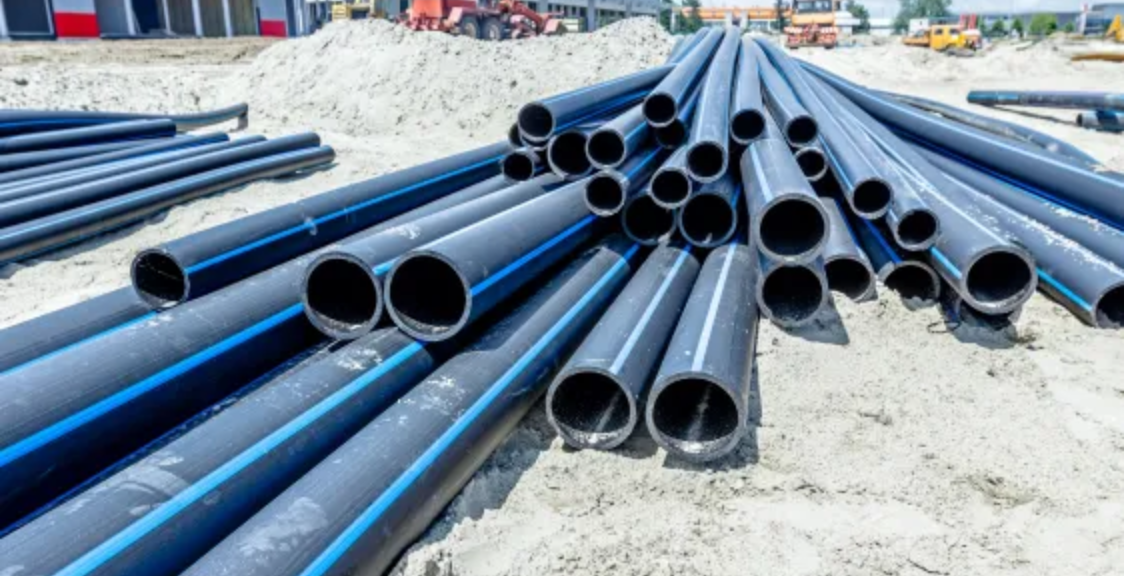
Modern HDPE pipes & fittings are widely preferred for water management systems due to their:
- High durability and flexibility
- Resistance to corrosion and chemicals
- Leak-proof jointing systems
- Long service life
An HDPE underground water pipe is especially effective for concealed and underground installations, ensuring reliable, long-term performance with minimal maintenance.
5. Install Rainwater Harvesting Systems
Rainwater harvesting is a sustainable solution that helps reduce reliance on municipal water supply.
Collected rainwater can be used for:
- Toilet flushing
- Cleaning and washing
- Landscaping
- Cooling towers
This approach not only conserves water but also lowers operational costs over time.
6. Insulate Water Pipes for Better Efficiency
In buildings where hot water is frequently used, uninsulated pipes can lead to unnecessary water and energy wastage.
Proper insulation:
- Reduces heat loss
- Speeds up hot water delivery
- Minimises water wastage during temperature adjustment
This simple step enhances both water and energy efficiency.
7. Conduct Regular Audits and Leak Detection
Routine monitoring and water audits help identify inefficiencies in the system.
Key actions include:
- Checking for hidden leaks
- Monitoring water usage patterns
- Upgrading outdated plumbing components
- Using smart water meters for real-time tracking
Early detection prevents minor issues from becoming major losses.
Also Read: Factors To Consider When Looking For HDPE Pipes
Conclusion
Water conservation in commercial buildings is no longer optional. It is essential for sustainable operations and cost control. By adopting efficient fixtures, implementing recycling systems, investing in reliable piping solutions like HDPE pipes & fittings, and incorporating rainwater harvesting, businesses can significantly reduce water consumption.
A proactive approach not only ensures compliance with sustainability standards but also strengthens long-term operational efficiency and environmental responsibility.
Frequently Asked Questions (FAQs)
Q1. What is the most effective way to reduce water consumption in commercial buildings?
A combination of low-flow fixtures, leak detection, and greywater recycling systems offers the most effective and long-term water savings.
Q2. How does rainwater harvesting help commercial buildings?
It reduces dependence on external water sources, lowers utility costs, and provides an alternative supply for non-potable uses like flushing and landscaping.
Q3. Why are HDPE pipes suitable for water conservation systems?
HDPE pipes are durable, corrosion-resistant, and leak-proof, ensuring minimal water loss and long-term efficiency in plumbing networks.