

How to Select Steel Pipes Manufacturers in India?
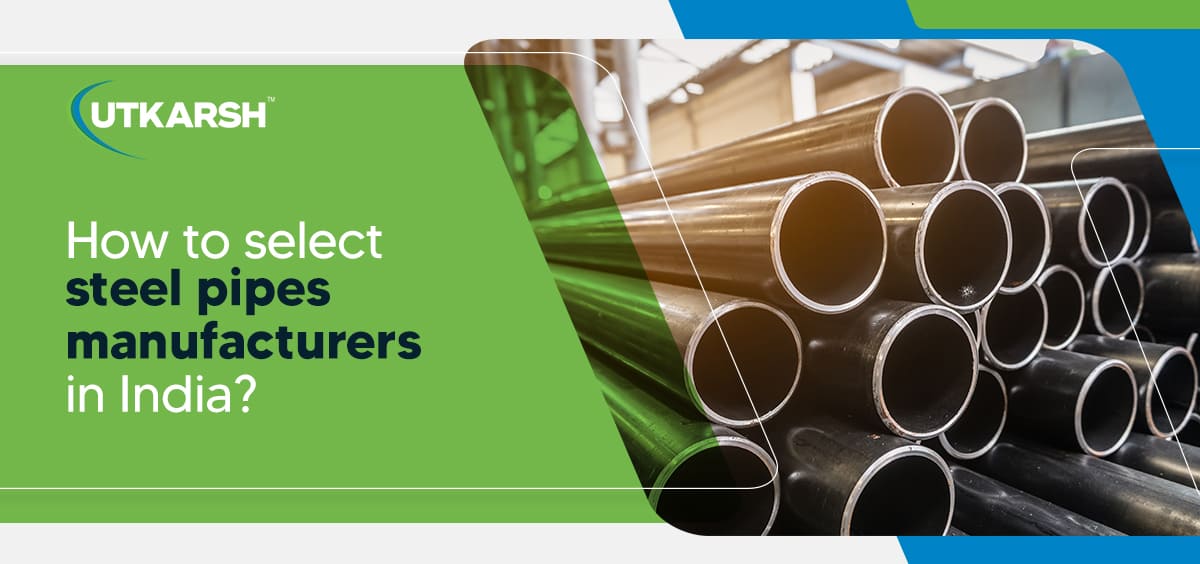
Steel pipes play a vital role across numerous industries due to their strength, durability, and adaptability. From infrastructure development and water transportation to agriculture and industrial manufacturing, steel pipes are essential components that support modern projects and operations.
However, choosing the right manufacturer is just as important as selecting the right product. A reliable supplier ensures consistent quality, compliance with industry standards, timely delivery, and long-term performance. If you are planning a construction, infrastructure, or industrial project, this guide will help you understand the different types of steel pipes, their applications, and the key factors to consider when selecting steel pipe manufacturers in India.
Understanding Different Types of Steel Pipes
Steel pipes are available in various forms, each designed to meet specific application requirements.
1. Mild Steel (MS) Pipes
MS pipes are manufactured using low-carbon steel, offering excellent strength, flexibility, and durability. They are widely used for:
- Water transportation
- Oil and gas distribution
- Irrigation systems
- Structural applications
- Firefighting systems
- Automotive component manufacturing
Their versatility and cost-effectiveness make them one of the most commonly used steel pipe solutions across industries.
2. ERW Black Pipes
Electric Resistance Welded (ERW) black pipes are produced by rolling steel strips into cylindrical shapes and welding the edges together using electrical resistance.
These pipes are commonly used for:
- Water pipelines
- Industrial fluid transportation
- Scaffolding structures
- Construction projects
- Mechanical engineering applications
ERW pipes are known for their dimensional accuracy and excellent mechanical strength.
3. Galvanized Iron (GI) Pipes
GI pipes are manufactured by applying a protective zinc coating over steel surfaces. This zinc layer acts as a barrier against corrosion and environmental damage.
A high-quality galvanized steel pipe is widely used in:
- Water supply systems
- Plumbing applications
- Agricultural irrigation
- Fire sprinkler networks
- Gas distribution systems
Their superior corrosion resistance significantly increases service life, making them ideal for both indoor and outdoor installations.
4. Large-Diameter Steel Pipes
Large-diameter pipes typically have diameters exceeding 610 mm and are designed for heavy-duty applications.
Common uses include:
- Municipal water supply projects
- Oil and gas transportation
- Wastewater treatment facilities
- Infrastructure development
- Industrial process pipelines
These pipes offer exceptional load-bearing capacity and structural strength for large-scale projects.
Applications of Steel Pipes and Fittings
Steel pipes and fittings are utilized across various sectors due to their reliability and versatility.
Some of the major applications include:
- Transportation of crude oil and petroleum products
- Natural gas distribution networks
- Water transmission pipelines
- Agricultural irrigation systems
- Borewell installations
- Structural construction projects
- Industrial machinery manufacturing
- Bridge and infrastructure development
- Furniture and fabrication industries
Their ability to withstand high pressure, varying temperatures, and harsh environmental conditions makes them indispensable across industries.
Factors to Consider When Choosing Steel Pipe Manufacturers in India
Selecting the right manufacturer can directly impact the quality, safety, and longevity of your project. Here are some key considerations:
1. Industry Experience and Expertise
A manufacturer with extensive industry experience is more likely to understand diverse project requirements and maintain high production standards.
Experienced companies typically offer:
- Proven manufacturing capabilities
- Technical expertise
- Consistent product quality
- Better project support
- Compliance with industry standards
When evaluating suppliers, review their years of operation, completed projects, and market reputation.
2. Manufacturing Infrastructure and Production Capacity
A modern production facility reflects a manufacturer's ability to meet large-scale requirements while maintaining quality standards.
Look for manufacturers with:
- Advanced production technologies
- Automated manufacturing processes
- High production capacity
- Quality testing laboratories
- Stringent quality control procedures
These capabilities ensure timely deliveries and consistent product performance.
Also Read: How Steel Pipes are Made: From Coils to Finished Products
3. Product Quality and Raw Material Standards
Quality should be one of the primary deciding factors when selecting a supplier.
Reliable manufacturers use premium-grade raw materials and conduct rigorous testing to ensure:
- Dimensional accuracy
- Corrosion resistance
- Structural strength
- Long-term durability
- Compliance with national and international standards
This is particularly important for applications involving water transportation, infrastructure projects, and industrial operations.
4. Product Range and Customization Options
A manufacturer offering a comprehensive product portfolio can provide solutions for multiple project requirements under one roof.
The availability of:
- MS pipes
- ERW pipes
- GI pipes
- Large-diameter pipes
- Steel fittings and accessories
ensures greater convenience and project efficiency.
5. Certifications and Compliance
Always verify whether the manufacturer adheres to recognized quality standards and certifications. Compliance demonstrates a commitment to product safety, quality assurance, and regulatory requirements.
6. Customer Support and After-Sales Service
Technical assistance and responsive customer support are essential throughout the project lifecycle.
Choose manufacturers that provide:
- Technical consultation
- Installation guidance
- Product documentation
- Timely issue resolution
- After-sales support
Strong customer service reflects the manufacturer's commitment to long-term client satisfaction.
7. Reputation and Market Presence
The reputation of a company often speaks volumes about its product quality and service standards.
Review:
- Customer testimonials
- Industry recognition
- Project portfolio
- Client references
Established steel pipe manufacturers in India often have a proven track record of delivering reliable products for diverse sectors.
Why Partnering with the Right Manufacturer Matters
Steel piping systems are long-term investments. Choosing a trusted supplier helps ensure:
- Reduced maintenance costs
- Improved operational efficiency
- Greater system reliability
- Enhanced safety
- Long service life
Organizations looking for dependable steel piping solutions often prefer working with the best infrastructure company in India because of its commitment to quality, innovation, and customer satisfaction.
Conclusion
Steel pipes remain a fundamental component of infrastructure, industrial operations, agriculture, and utility networks. Whether you require MS pipes, ERW pipes, large-diameter pipes, or a durable galvanized steel pipe, selecting the right manufacturer is crucial for project success.
By evaluating factors such as experience, manufacturing capabilities, product quality, certifications, and customer support, businesses can make informed decisions and secure reliable piping solutions. Leading steel pipe manufacturers in India, such as Utkarsh India, continue to drive innovation and quality, helping infrastructure and industrial projects achieve long-term performance and efficiency.
Frequently Asked Questions (FAQs)
1. What are the most commonly used types of steel pipes?
The most commonly used steel pipes include MS pipes, ERW black pipes, GI pipes, and large-diameter steel pipes, each serving different industrial and infrastructure applications.
2. What is a galvanized steel pipe used for?
A galvanized steel pipe is commonly used in water supply systems, plumbing, irrigation networks, gas distribution, and fire protection systems due to its excellent corrosion resistance.
3. How do I choose the right steel pipe manufacturer?
Consider factors such as industry experience, production capacity, quality standards, certifications, customer support, and market reputation before selecting a manufacturer.
4. Why are GI pipes preferred for water supply applications?
GI pipes have a protective zinc coating that prevents rust and corrosion, making them highly durable and suitable for water transportation systems.
5. What industries use steel pipes the most?
Steel pipes are widely used in construction, infrastructure, oil and gas, agriculture, water management, manufacturing, and transportation sectors.
6. Why is product quality important when selecting steel pipes manufacturers in India?
High-quality steel pipes offer better durability, safety, corrosion resistance, and long-term performance, reducing maintenance and replacement costs over time.