

How Does Railway Electrification Work?
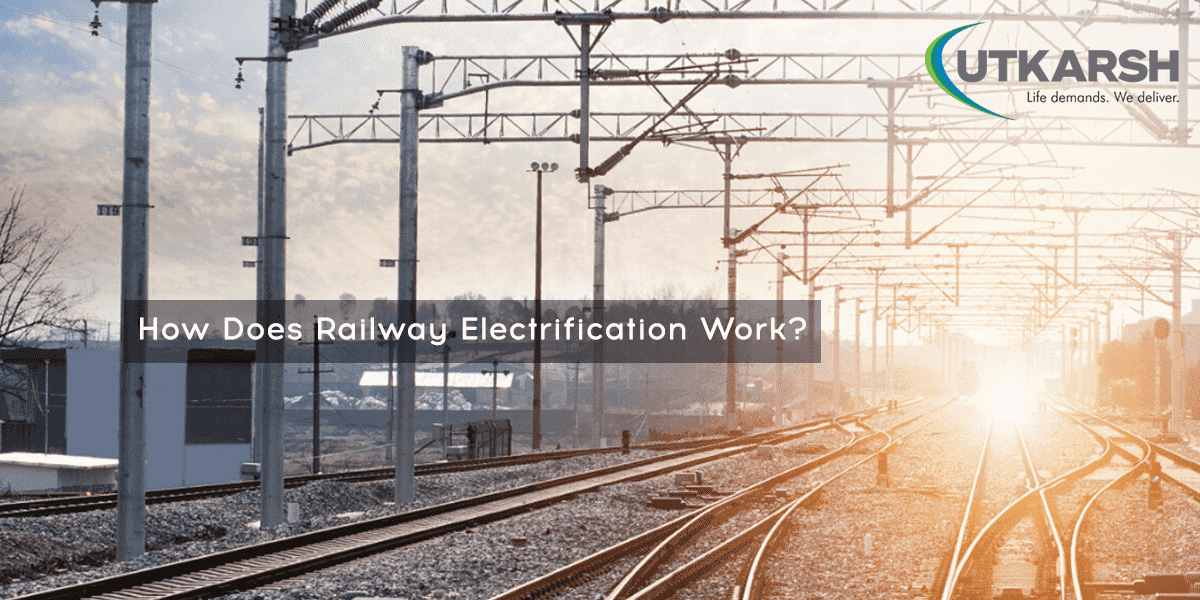
Railway electrification plays a vital role in modern transportation systems by enabling faster, cleaner, and more cost-effective train operations. The primary purpose of a railway electrification system is to supply electric power to trains and trams in a reliable and continuous manner. Electricity is typically generated at large and efficient power stations, transmitted through national grids to railway substations, and then distributed to trains via dedicated traction infrastructure.
Power is supplied to moving trains with the help of a continuous conductor running along the track in the form of an overhead line or, in some systems, a third rail mounted at track level. Electrified trains offer quicker acceleration, reduced fuel dependency, lower carbon emissions, and lighter rolling stock, which in turn causes less wear and tear on railway tracks. These advantages make electrification a preferred choice for high-density rail networks across the world, including India.
Key Components of a Railway Electrification System
A railway electrification system consists of several integrated components working together to deliver uninterrupted power to trains:
- Power generation and transmission: Electricity is produced at power plants and transmitted at high voltage to railway substations.
- Traction substations: These stations step down and convert the voltage to levels suitable for railway operations.
- Overhead equipment (OHE) or third rail: This is the physical medium that delivers power to the train.
- Pantograph or current collector: Mounted on the train roof, it collects electricity from the overhead wire.
- Railway overhead electrification structures: These include masts, portals, gantries, beams, and support systems that hold the overhead conductors firmly in position.
Among these, railway overhead electrification structures are critical, as they ensure mechanical stability, accurate alignment of conductors, and long-term reliability of the entire electrification network.
Why Indian Railways is Rapidly Adopting Electrification
Railway electrification structures are extensively used in Indian Railways as a powerful measure to achieve operational efficiency and cost effectiveness. Electric-powered trains offer numerous advantages over traditional diesel engines, making them an essential part of India’s railway modernization strategy.
According to several trusted reports, electric traction is approximately 45% cheaper for freight traffic and about 47% cheaper for passenger (coaching) traffic when compared to diesel traction. Additionally, electric trains can recover energy through regenerative braking, whereas diesel engines continue to consume fuel even while idling.
Electric traction also supports the use of renewable energy sources such as solar and wind power. In modern three-phase electric rolling stock, regenerative braking can result in energy savings of up to 30%. A study conducted by The Energy and Resources Institute (TERI) further indicates that electric traction is nearly three times more energy-efficient than diesel traction.
Operational and Environmental Benefits of Electrification
Beyond cost savings, railway electrification delivers a wide range of operational and environmental benefits:
1. Lower emissions
Electric trains emit significantly less CO₂ at the point of use, contributing to cleaner air and reduced environmental impact, especially in densely populated urban areas.
2. Higher line capacity
Electric traction improves throughput and section capacity by approximately 15%, as it enables the operation of heavier freight trains and longer passenger trains at higher speeds.
3. Reduced maintenance burden
While the maintenance costs of electric lines and railway overhead electrification structures may initially appear higher, many railway systems report lower long-term costs due to reduced mechanical stress and wear on lightweight electric trains.
4. Improved reliability and performance
Electric locomotives offer consistent torque, faster acceleration, and better performance on gradients, leading to improved schedule adherence and reduced travel time.
5. Better operating economics
Electric traction is more economical over the lifecycle of railway assets and plays a crucial role in improving the overall operating ratio of railway networks.
Also Read: What are the Railway Electrification Structures? What are Its Benefits?
Importance of Railway Overhead Electrification Structures
Railway overhead electrification structures form the backbone of the electrification system. These steel structures support contact wires, catenary wires, and other associated equipment that deliver power to trains safely and efficiently.
Their design must account for wind load, temperature variations, vibration, corrosion resistance, and long service life. Poor-quality structures can result in misalignment, power interruptions, and safety hazards, which is why selecting a reliable manufacturer is essential for long-term railway performance.
High-quality railway overhead electrification structures ensure:
- Stable support for overhead conductors
- Accurate positioning of electrical components
- Resistance to corrosion and extreme weather conditions
- Reduced maintenance frequency
- Enhanced safety and system reliability
Conclusion
Railway electrification is transforming the way modern rail networks operate by delivering superior efficiency, sustainability, and performance. From power generation to train movement, every component works in coordination to ensure smooth and reliable operations. Among these components, railway overhead electrification structures play a decisive role in maintaining system stability and safety.
Utkarsh India is one of the leading manufacturers of railway electrification structures in the country. We are a Core Part-I approved vendor to manufacture and supply all types of railway electrification structures, including portals, masts, beams, gantries, small steel parts, sub-station structures, and customized solutions. Our commitment to quality and engineering excellence helps support India’s vision of a faster, greener, and more efficient railway network.
Frequently Asked Questions (FAQs)
1. What are railway overhead electrification structures?
Railway overhead electrification structures are steel support systems such as masts, portals, and gantries that hold overhead conductors and electrical equipment in position, enabling safe and continuous power supply to electric trains.
2. Why is railway electrification preferred over diesel traction?
Railway electrification is preferred because it is more energy-efficient, cost-effective, environmentally friendly, and capable of supporting higher speeds and heavier loads compared to diesel traction.
3. How long do railway electrification structures last?
With proper design, galvanization, and maintenance, high-quality railway overhead electrification structures can last 30–50 years or more, depending on environmental conditions and usage intensity.