

Everything You Need To Know About Steel Pipes
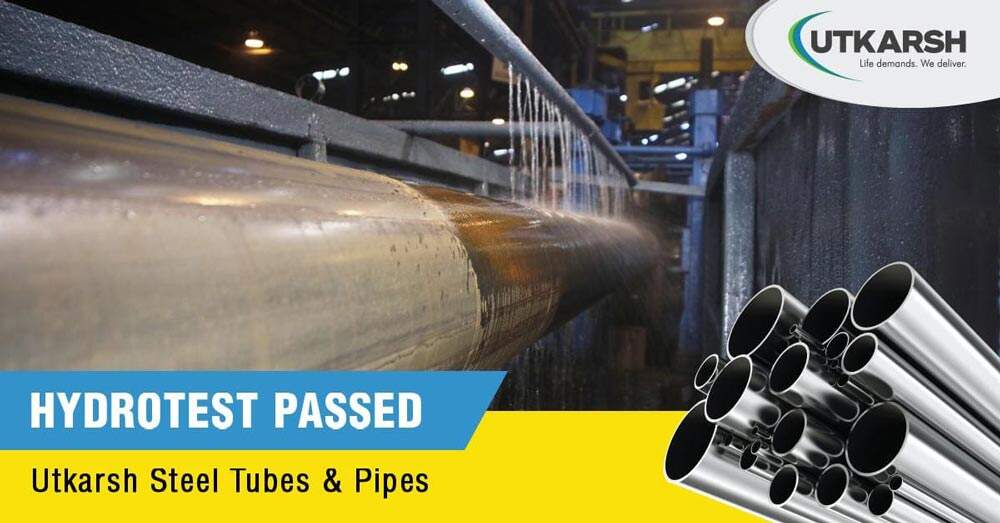
Steel pipes are widely used across residential, commercial, industrial, and infrastructure projects. Their combination of strength, durability, versatility, and availability in different sizes and specifications makes them suitable for a wide range of applications.
Depending on the project requirements, buyers can choose from different types of steel pipes, including ERW steel pipes, MS pipes, and galvanized steel pipes. Each type has specific characteristics that make it suitable for particular applications and operating conditions.
For contractors, engineers, builders, and procurement teams, understanding the different types and benefits of steel pipes can help in selecting the right solution for a project.
What are Steel Pipes?
Steel pipes are cylindrical products manufactured from steel and available in different diameters, wall thicknesses, grades, and configurations.
They are produced using different manufacturing processes depending on the required specifications and application. Steel pipes can be used for transporting water and air, structural applications, utility systems, fabrication, and various industrial requirements.
An experienced steel pipes manufacturer can provide different pipe types, sizes, thicknesses, finishes, and customised solutions based on specific project requirements.
Types of Steel Pipes
Different steel pipe products are designed for different applications. Some commonly used options include:
ERW Steel Pipes
Electric Resistance Welded (ERW) pipes are manufactured by forming steel strip or coil into a cylindrical shape and joining the edges through electric resistance welding.
They are commonly used in structural applications, water and air lines, fencing, fire protection systems, and various industrial requirements.
ERW pipes are available in different diameters and wall thicknesses, allowing them to be selected according to the technical requirements of a project.
MS Pipes
Mild Steel (MS) pipes are made from low-carbon steel and are widely used across construction, infrastructure, fabrication, water supply, and industrial applications.
Their combination of strength, weldability, and versatility makes them suitable for structural frameworks, utility lines, fencing, fabrication, and general engineering applications.
MS pipes are available in different diameters and wall thicknesses, allowing engineers and contractors to select suitable products according to the application.
Galvanized Steel Pipes
A galvanized steel pipe has a protective zinc coating that helps protect the underlying steel against corrosion. This makes galvanized pipes useful in applications where exposure to moisture or outdoor conditions is a concern.
Galvanized steel pipes can be used in water lines, structural applications, fencing, fire protection, and other areas where additional corrosion protection is required.
The appropriate pipe specification and coating should be selected according to the operating environment and project requirements.
Key Benefits of Steel Pipes
1. High Strength and Durability
One of the primary advantages of steel pipes is their strength. Steel can withstand significant mechanical loads, making it suitable for applications where structural integrity is important.
Properly specified and installed steel pipes can provide long-term service while handling the pressure, loads, and environmental conditions for which they are designed.
Their durability makes them suitable for demanding industrial, construction, and infrastructure applications.
2. Corrosion Protection Options
Steel can be affected by corrosion when exposed to moisture and other corrosive conditions. However, appropriate material selection, coatings, galvanisation, and maintenance can provide protection according to the application.
For example, a galvanized steel pipe uses a zinc coating to provide an additional layer of corrosion protection. This makes galvanized products useful for certain outdoor, water, utility, and structural applications.
The required level of corrosion protection should be determined based on factors such as environmental exposure, operating conditions, and expected service life.
3. Versatility Across Applications
Steel pipes are available in different sizes, thicknesses, and configurations, allowing them to serve a wide range of requirements.
Common applications include:
- Water and air lines
- Structural applications
- Fire sprinkler systems
- Fencing
- Industrial piping
- Utility infrastructure
- Manufacturing facilities
- Construction and fabrication
- Boiler and industrial systems
This versatility makes steel pipes an important material across multiple sectors.
4. Easy Fabrication and Customisation
Steel is widely used in engineering because it can be cut, formed, welded, and fabricated using suitable processes.
This allows steel pipe products to be adapted for different project requirements. Depending on the application, manufacturers may also provide customised solutions such as bend pipes, conduit pipes, and galvanized pipes.
Customised pipe solutions can be particularly useful when standard dimensions do not fully match the installation or engineering requirements.
5. Recyclability
Steel is highly recyclable and can be recovered at the end of a product's service life. Recovered steel can be processed and used again in the production of new steel products.
This supports efficient material use and can help reduce the amount of steel waste sent for disposal.
For construction and infrastructure projects, the recyclability of steel is an additional factor when considering the material's overall lifecycle.
6. Suitable for Long-Term Infrastructure Applications
Infrastructure systems often require materials that can remain functional for extended periods under demanding operating conditions.
Steel pipes can provide a combination of strength, dimensional stability, and durability when appropriately selected and installed. Their availability in different specifications also allows engineers to select products according to project requirements.
This makes steel pipes suitable for a wide range of construction, industrial, utility, and infrastructure applications.
Where are Steel Pipes Used?
Steel pipes are used across residential, commercial, industrial, and infrastructure projects. Find the many uses of steel pipes and why they’re essential in modern engineering
Water Supply Systems
Steel pipes can be used in water supply and utility applications where strength and appropriate corrosion protection are required.
Structural Applications
MS and ERW pipes can be used in structural frameworks, supports, fencing, and fabrication projects.
Fire Protection
Steel pipes are widely used in fire protection and sprinkler systems where the required specifications and standards are met.
Industrial Applications
Factories and industrial facilities use different steel pipe products for air lines, utility systems, process applications, boilers, and other requirements.
Construction and Infrastructure
Steel pipes can also be used in construction, infrastructure, transportation, and utility projects where durable pipework or structural components are required.
How to Choose the Right Steel Pipe?
Selecting a pipe should be based on the actual requirements of the application rather than price alone.
Consider the following factors:
- Application: Determine whether the pipe is required for water, air, structural, fire protection, or another purpose.
- Diameter: Select the required diameter according to the system or structural design.
- Wall thickness: Consider pressure, load, and service requirements.
- Material: Choose the appropriate steel pipe type based on the application.
- Corrosion protection: Consider galvanisation, coating, or another protection system where required.
- Applicable standards: Verify that the product meets the relevant national or international standards.
- Installation requirements: Check whether bending, welding, threading, or other fabrication is required.
- Manufacturer capabilities: Evaluate quality control, testing, manufacturing capacity, and customisation options.
Get Insights On: Steel Pipe Size Chart: Dimensions, Diameter, Thickness & Weight
Why Manufacturer Selection Matters
The quality and consistency of steel pipes can influence the performance of the overall piping or structural system. Working with an experienced manufacturer can help buyers obtain products that match the required dimensions, specifications, standards, and application.
When comparing steel pipe manufacturers in India, buyers should evaluate factors such as manufacturing facilities, raw material quality, testing procedures, applicable standards, production capacity, and experience in supplying products for similar applications.
A reliable manufacturer should also be able to provide technical specifications and product options that match the requirements of the project.
Utkarsh India: Steel Pipe Manufacturing Capabilities
Utkarsh India, the best infrastructure company in India, has more than four decades of experience in the steel and infrastructure sector and manufactures a range of steel tubes and pipes for different industrial and infrastructure applications.
Its product range includes ERW, MS, and galvanized steel pipes and tubes in different dimensions and specifications. The products are manufactured according to applicable national and international standards, depending on the product and intended application.
The company offers pipes and tubes for applications including air and water lines, structural requirements, fencing, fire sprinkler systems, boilers, and other industrial uses. It also provides customised solutions such as bend pipes, conduit pipes, and galvanized pipes.
For businesses evaluating a steel pipes manufacturer, factors such as manufacturing capacity, product range, quality systems, applicable standards, testing capabilities, and customisation options can help in selecting a suitable supplier.
For larger infrastructure requirements, these factors are also important when evaluating the best infrastructure company in India for a specific project.
Steel Pipes for Modern Construction and Infrastructure
From water supply systems and structural applications to industrial facilities and infrastructure projects, steel pipes continue to play an important role in modern construction.
ERW pipes, MS pipes, and galvanized steel pipes each offer different characteristics and applications. Understanding these differences allows project teams to select products based on factors such as strength, corrosion protection, fabrication requirements, environmental exposure, and applicable standards.
By choosing the right product and working with an experienced steel pipes manufacturer, businesses can select pipe solutions that are better suited to the technical and operational requirements of their projects.
FAQs
1. What are steel pipes commonly used for?
Steel pipes are used for water and air lines, structural applications, fire protection systems, fencing, industrial facilities, utilities, construction, and various infrastructure projects.
2. What are MS pipes?
MS or Mild Steel pipes are made from low-carbon steel and are commonly used in construction, fabrication, structural applications, water supply, fencing, and industrial projects.
3. What is an ERW steel pipe?
An ERW steel pipe is manufactured by forming steel strip or coil into a cylindrical shape and joining the edges using electric resistance welding. ERW pipes are used in structural, utility, water, air, and industrial applications.
4. What is a galvanized steel pipe?
A galvanized steel pipe is coated with zinc to provide additional protection against corrosion. These pipes are commonly used where exposure to moisture or outdoor conditions is a consideration.
5. How do I choose between MS, ERW, and galvanized steel pipes?
The choice depends on the intended application, required dimensions, structural or pressure requirements, environmental exposure, corrosion protection needs, and applicable standards.
6. How do I select steel pipe manufacturers in India?
Compare manufacturers based on product range, manufacturing capacity, raw material quality, applicable standards, testing and quality-control systems, customisation capabilities, and experience with similar applications.
7. Are steel pipes recyclable?
Yes. Steel is highly recyclable, and steel pipes can be recovered and recycled at the end of their useful life, subject to appropriate collection and processing.